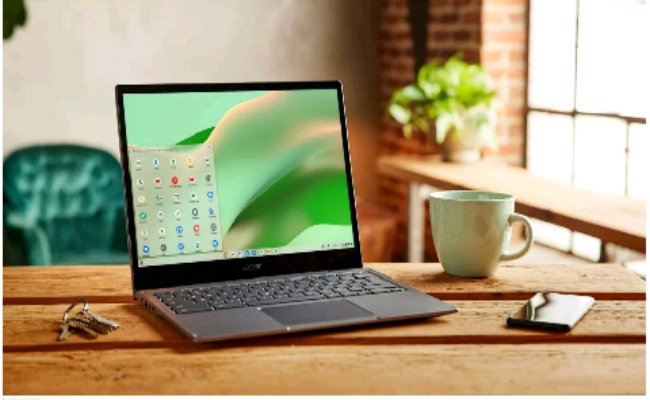
Your Chromebook is a sleek, efficient machine, but even the best digital companions sometimes need a quick refresh. Whether it's to clear out minor glitches, complete a crucial update, or just give your system a performance boost, knowing the ins and outs of restarting is fundamental to a smooth experience. This comprehensive guide delves into Chromebook Restart FAQs and Best Practices, arming you with the knowledge to keep your device running at its peak, all while protecting your valuable data.
Think of a restart as hitting a "reset" button for your Chromebook's short-term memory and active processes. It’s often the simplest, most effective first step in troubleshooting, and it's remarkably quick—typically under 30 seconds. Ready to become a restart master? Let's dive in.
At a Glance: Key Takeaways for Chromebook Restarts
- Why Restart? To fix glitches, free RAM, apply updates, and improve performance.
- Quick & Easy: Most restarts take less than 30 seconds.
- Multiple Methods: Use the menu, physical power button, or a keyboard shortcut.
- Hard Reset (Powerwash): A last resort for major issues; erases local data, so back up first!
- When to Restart: For troubleshooting, after updates, weekly maintenance, or before important tasks.
- Data Safety: Always close apps, sign out, and disconnect external drives before restarting to prevent data loss.
Why Your Chromebook Needs a Refresh: The Benefits of a Restart
Have you ever noticed your Chromebook feeling a bit sluggish? Apps taking longer to open, web pages not loading quite right, or perhaps your Wi-Fi connection acting finicky? These are classic signs that your device is yearning for a good old-fashioned restart. It's not just a tech cliché; a restart genuinely resolves a host of common issues by:
- Clearing Out Minor Glitches: Over time, software can accumulate minor errors or "bugs" that disrupt normal operation. A restart provides a clean slate, clearing these temporary glitches.
- Freeing Up RAM: Your Chromebook's Random Access Memory (RAM) is like its short-term workspace. Every open tab, app, and background process consumes RAM. A restart flushes this memory, making more available for current tasks and speeding things up.
- Completing Updates: Chrome OS regularly pushes out security patches and feature updates. Many of these require a full system restart to properly install and integrate. Skipping a restart means missing out on vital improvements and security enhancements.
- Maintaining Optimal Performance: Regular restarts are a simple form of preventative maintenance, ensuring your device consistently runs as efficiently as possible, much like optimizing your Chromebook's performance in other ways.
It’s a small action with a big impact, keeping your Chromebook responsive, secure, and ready for whatever you throw at it.
Understanding the Different Ways to Restart Your Chromebook
Chromebooks offer several pathways to a fresh start, each suited for slightly different situations. Knowing these methods is key to confidently navigating your device's maintenance. Here's how to restart your Chromebook using the primary options.
The Gentle Nudge: Menu-Driven Shutdown
This is the standard, safest, and most recommended method for restarting your Chromebook under normal circumstances. It allows Chrome OS to properly close all processes, save data, and log you out cleanly.
How to do it:
- Access the Quick Settings Panel: Click on the bottom-right corner of your screen. This area typically displays icons for Wi-Fi, battery level, and the current time.
- Locate the Shutdown Icon: In the panel that appears, you’ll see a row of icons. Look for the power icon (often a circle with a vertical line).
- Tap to Shut Down: Click this icon. Your Chromebook will then initiate a safe shutdown sequence, saving your work and logging you out.
- Power On: Once the device is completely off (screen is black, no lights), press the physical power button to turn it back on.
Pro Tip: If you want to ensure a clean slate before shutting down, you can manually sign out of your Google account first. From the quick settings panel, click on your profile picture, then select "Sign out." From the sign-in screen, you can then use the shutdown option.
The Power Button Playbook: Manual Shutdown & Reboot
Sometimes, you might prefer to use the physical power button directly, or perhaps your touchpad isn't responding. The power button offers both a graceful shutdown menu and a more forceful option.
Standard Restart (via Power Button Menu):
- Brief Press: Quickly press and hold the power button for about 1 second.
- Select Shut Down: A menu will appear on your screen with options like "Power Off," "Sign Out," "Lock," and "Send Feedback." Choose "Power Off."
- Wait and Restart: Allow your Chromebook to fully power down. Once it's off, press the power button again to turn it back on.
Forced Shutdown (When Things Freeze):
If your Chromebook is completely unresponsive—frozen, black screen, or stubbornly stuck—you might need to force a shutdown. - Press and Hold: Press and hold the power button for approximately 10-15 seconds.
- Wait for Total Power Off: Keep holding until the device completely shuts down, and the screen goes black.
- Release and Restart: Release the power button, wait a few seconds, then press it again to power on your Chromebook.
This method bypasses the graceful shutdown process, so it's best reserved for situations where the menu or quick shutdown isn't accessible.
The Keyboard Cavalry: Quick Reboot via Shortcut
For those who prefer keyboard commands, there's a quick and efficient way to initiate a restart, particularly useful if your mouse or touchpad is giving you trouble.
- Sign Out First (Recommended): To ensure any open Chrome windows are properly synced and to minimize potential data loss from unsaved work, it's a good practice to sign out of your Google account first. You can do this by clicking your profile icon in the bottom-right corner and selecting "Sign out."
- The Magic Combo: Once signed out, simultaneously press Ctrl + Alt + Shift + R.
- Confirm Restart: A pop-up menu will appear. Click the "Restart" button to confirm.
This shortcut initiates a fast, clean reboot, getting you back to a fresh login screen quickly.
When to Hit the Reset Button: Common Scenarios
A timely restart can be your best friend for maintaining a healthy Chromebook. Here's when to make it part of your routine or reach for it as a first-line defense.
Troubleshooting Minor Glitches
This is the most common reason users perform a restart. Think of it as the universal "turn it off and on again" solution.
- Sluggish Performance: Your Chromebook feels slower than usual, apps are lagging, or switching between tabs is delayed.
- Freezing Apps or System: A specific application is unresponsive, or the entire system appears to be frozen.
- Pages Not Loading: Websites fail to load correctly, or you encounter persistent network errors despite your internet connection being active.
- Video or Audio Stuttering: Media playback is choppy, or sound issues arise during streaming or video calls.
- Unstable Wi-Fi/Bluetooth: Your wireless connection drops frequently, or Bluetooth devices struggle to connect or maintain pairing.
- Unresponsive Peripherals: Your touchpad, keyboard, or an external mouse/keyboard stops working unexpectedly.
Before diving into more complex troubleshooting steps, a simple restart often resolves these issues by clearing temporary conflicts and re-initializing system processes.
Post-Update Perfection
Chrome OS is constantly being updated with new features, security patches, and performance improvements. These updates are crucial for the health and security of your device.
- After Chrome OS Updates: Whenever your Chromebook downloads and installs a new Chrome OS version, you'll typically see a notification asking you to restart to complete the update. Always follow this prompt to ensure all new components are fully integrated. Skipping this step can lead to instability or incomplete feature rollouts. Keeping up with how Chrome OS updates work is part of responsible device management.
Routine Maintenance: Keeping Things Snappy
Just like any other computer, your Chromebook benefits from regular maintenance. While it's designed to be low-maintenance, a periodic restart can prevent issues from building up.
- Weekly or Bi-weekly Restarts: Consider restarting your Chromebook at least once a week, or every other week, even if you're not experiencing any problems. This proactive approach helps clear out accumulated minor glitches, keeps memory free, and ensures optimal speed and responsiveness over the long term.
Pre-Event Prep: A Fresh Start for Important Tasks
For critical moments, you want your Chromebook operating flawlessly. A quick restart can provide that assurance.
- Before Important Presentations or Meetings: Don't risk a glitch during a crucial presentation or video conference. A restart beforehand ensures your system is fresh and reliable.
- Before Travel or Trips: If you're heading out and will rely heavily on your Chromebook, a restart ensures it's starting clean, reducing the chances of unexpected errors when you're away from your usual support.
- Before Starting Intensive Work: If you're about to embark on a long writing session, heavy research, or complex project, a fresh restart provides the best possible environment for productivity.
The Nuclear Option: Hard Reset (Powerwash) - What You Need to Know
A hard reset, more commonly known as a "Powerwash" on a Chromebook, is an entirely different beast from a simple restart. This is a factory reset that returns your Chromebook to its out-of-the-box state. It's a powerful tool for resolving deep-seated software issues, but it comes with a significant caveat: data loss.
Understanding the Impact of a Powerwash
When you perform a Powerwash, your Chromebook will:
- Erase Local Files: Any files stored directly in your "Downloads" folder or other local storage will be permanently deleted.
- Remove Android App Data: All installed Android apps and their associated data (game saves, app settings) will be wiped.
- Reset Preferences: Non-synced preferences, settings, and Wi-Fi networks will be removed.
- Return to Factory Defaults: The Chromebook will behave as if it's brand new, requiring you to set up your Google account again.
Caution: A Powerwash should only be used as a last resort, after all other troubleshooting steps, including regular restarts, have failed to resolve your issues.
Crucial Pre-Powerwash Checklist
Before you even think about a Powerwash, stop and follow these steps to protect your data:
- Back Up Local Files: The most critical step. Ensure all important documents, photos, and files in your "Downloads" folder are backed up to Google Drive, an external USB drive, or another cloud service. Remember, anything not synced to Google Drive is at risk. For detailed guidance, consult resources on backing up your Chromebook data.
- Sync Browser Data: Confirm your Chrome browser data (bookmarks, history, passwords, extensions) is synced to your Google account. Go to
Settings > Sync and Google services > Manage what you syncand ensure everything is turned on. - Sign Out of Your Account: While the Powerwash process usually requires this, it's good practice to do it manually first (
Ctrl + Shift + Qtwo times, or via the bottom-right panel "Sign out") to minimize any lingering data fragments. - Charge Your Chromebook: Ensure your Chromebook has at least 50% battery life, or ideally, keep it plugged in during the process.
Step-by-Step Powerwash Guide
Once you've backed up everything, here's how to initiate a hard reset:
- Sign Out: Sign out of your Google account on the Chromebook. You should be at the login screen.
- The Refresh + Power Combo: Press and hold the Refresh key (the circular arrow key above the '4' on your keyboard) and then press the Power button simultaneously.
- Release Power, Hold Refresh: Release the Power button first, but continue holding the Refresh key.
- Wait for "OS verification is OFF" screen: Keep holding the Refresh key until you see a message like "Chrome OS is missing or damaged. Please insert a recovery USB stick." or "OS verification is OFF."
- Release Refresh & Confirm: Release the Refresh key. Your Chromebook will then typically restart immediately and present you with the Powerwash confirmation screen. Follow the on-screen prompts to proceed. This usually involves clicking "Reset" or "Powerwash."
- Re-setup: After the Powerwash completes, your Chromebook will reboot and walk you through the initial setup process, just like a new device.
Specific Device Hard Reset Methods (The Reset Pin)
Some older or specific Chromebook models might have a slightly different method for initiating a hard reset, often involving a physical reset button.
- Chrome OS Tablets: For tablet-form Chromebooks, you typically hold the Volume Up and Power buttons together for about 10 seconds until the device restarts or shows a recovery screen.
- Chromeboxes/Older Samsung Series 5: Some devices, especially Chromeboxes or older Chromebook models like the Samsung Series 5, have a tiny "reset pinhole." You'll need a paperclip or SIM ejector tool to press this pinhole for a few seconds while the device is powered on. After pressing, the device will typically reboot into the Powerwash process. Consult your device's manual if you suspect it has a reset pinhole.
Best Practices for a Smooth Restart & Data Safety
Even with a simple restart, a little preparation goes a long way. Adopting these best practices ensures your data is safe and your restart process is always smooth.
Before You Reboot: A Pre-Flight Checklist
Making these habits will prevent headaches and potential data loss.
- Close All Open Apps and Tabs: Not only does this save any unsaved work in specific applications, but it also allows Chrome OS to shut down more efficiently. It's a good practice to consciously close out programs you're not using before any shutdown, not just restarts.
- Sign Out of Your Google Account: While a simple restart usually just logs you out, signing out manually first ensures that any open Chrome browser tabs are synced to your Google account in the cloud. This means they'll reappear when you log back in after the restart. To do this, click your profile picture in the bottom-right corner and select "Sign out."
- Disconnect External Storage: Always safely eject any SD cards, USB drives, or external hard drives before restarting. Failing to do so can lead to data corruption on the external device. Click the "Files" app icon, then next to your external device, click the "Eject" icon (an upward-pointing arrow).
- Back Up Important Local Files: This is paramount, especially if you're experiencing system instability. Any files saved only in your Downloads folder will not be synced to Google Drive. Drag and drop these to Google Drive or another cloud service.
What Could Be Lost (and How to Prevent It)
While Chrome OS is excellent at syncing data, certain items are vulnerable if you can't perform a graceful shutdown (e.g., during a system crash).
- Open Chrome Tabs: If you don't sign out or your system crashes, open tabs might not be restored to their previous state.
- Unsaved Text in Web Forms: Any text you've typed into a web form that hasn't been submitted or saved yet will be lost.
- External Drive Data: If you don't properly eject an external drive before a sudden power loss or forced restart, data on that drive could become corrupted.
- Android App States: If you have Android apps running, their current state (e.g., a game you were playing, an unsaved document) might not be preserved.
- Updates Might Roll Back: If your system crashes during a Chrome OS update installation, the update might be incomplete or roll back, potentially causing instability or requiring a re-download.
The key takeaway is prevention: cultivate the habit of saving your work regularly, syncing your browser, and safely ejecting external media.
Troubleshooting When a Simple Restart Isn't Enough
Sometimes, even after following all the best practices, a restart doesn't magically fix everything. Don't despair! Here are the next steps to take for advanced Chromebook troubleshooting.
- Perform a Full Shutdown (Not Just a Restart): If a restart didn't work, try shutting down your Chromebook completely using the power button (hold for 10-15 seconds until it powers off). Wait 30 seconds, then power it back on. This gives the system a longer "rest" and can sometimes clear more stubborn issues.
- Test in Guest Mode: If the issue persists, try logging into your Chromebook in Guest Mode. If the problem disappears in Guest Mode, it often indicates an issue with your user profile or a specific extension installed in your account. This points to something specific to your Google login, rather than a system-wide hardware or software fault. Learning using Chromebook's guest mode effectively can be a game-changer for diagnosis.
- Check for Chrome OS Updates (Again): Go to
Settings > About Chrome OS > Check for updates. Even if you recently updated, sometimes an urgent patch might be released. - Review System Logs: For more technical users, you can access system logs to look for error messages. Press
Alt + T + Oto open the "Feedback Report" window, then click "View system information" to see detailed logs. This can provide clues about what's going wrong. - Try External Peripherals: If your built-in keyboard or touchpad is unresponsive, try connecting an external USB keyboard and mouse. If they work, it points to a hardware issue with your Chromebook's internal components.
- Consider a Powerwash (Hard Reset): As discussed, if all else fails, and you've thoroughly backed up your data, a Powerwash is the ultimate software reset. It's often the last resort before considering hardware repair.
- Contact Official Support: If your Chromebook is still under warranty or if the problem persists after all these steps, it's time to reach out to the manufacturer's support or Google's Chromebook help resources. They can provide specific troubleshooting for your model or advise on potential hardware failures.
Empowering Your Chromebook Experience
Mastering the simple act of restarting your Chromebook is more than just a quick fix; it's a fundamental skill for maintaining a responsive, secure, and reliable device. From routine maintenance to solving unexpected glitches, a well-timed restart can save you time and frustration.
By understanding the different methods, knowing when to apply them, and always prioritizing data safety, you're not just restarting your Chromebook—you're empowering your entire digital experience. Keep these best practices in mind, and your Chromebook will thank you with consistently smooth performance.